
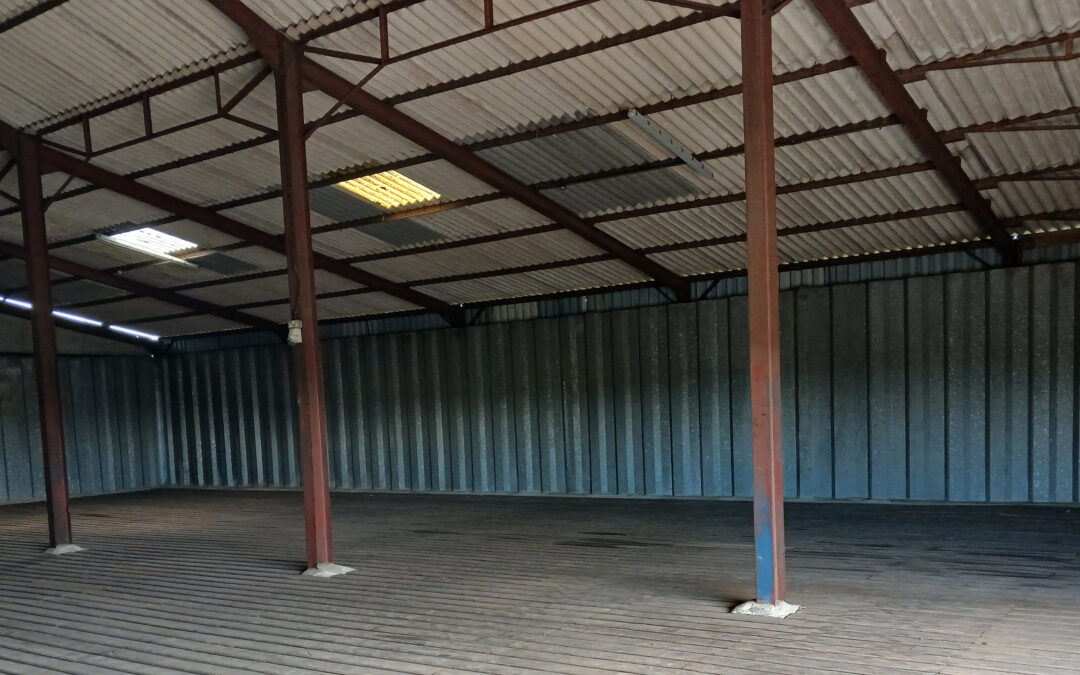
Integrated Pest Management, practical proofing and responsible farm pest control in Lincolnshire.
Effective farm pest control starts long before rats or mice become established. This case study follows a multi-site farm in the Ingham area where Queen Bee Pest Management has worked alongside the farm team to reduce rodent activity through farm pest control contracts in Lincolnshire, practical proofing and Integrated Pest Management (IPM).
Rather than relying on continual baiting, the focus has been on preventing rodents from gaining access to buildings in the first place. By identifying weaknesses in the site’s infrastructure and making simple but effective improvements, the farm has significantly reduced pest pressure while protecting grain stores, buildings and the surrounding environment.
What Is Integrated Pest Management?
Integrated Pest Management (IPM) is a preventative approach to pest control. Instead of relying solely on rodenticides, it combines monitoring, proofing, good site management and responsible control methods to reduce pest activity over the long term. For farms, this means protecting crops, livestock and buildings while minimising unnecessary chemical use wherever possible.
Reducing Pest Access Into Grain Stores
One of the most effective ways to control rodents is to stop them entering buildings in the first place. Even small gaps around ventilation systems and building fabric can provide enough access for mice to become established inside grain storage areas.
On this farm, fan house vents were fitted with the correct 10mm mesh to prevent mice entering while maintaining ventilation. It’s a relatively simple improvement, but one that greatly reduces the risk of rodents contaminating stored grain or damaging electrical systems within the building.
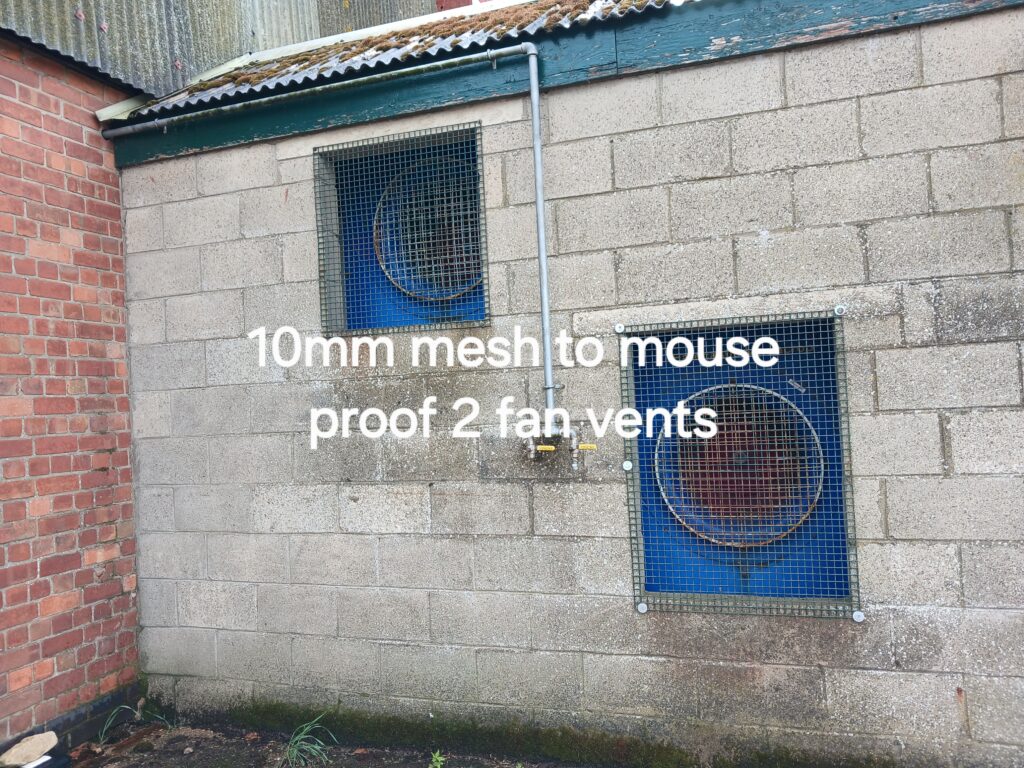
10mm mesh fitted to fan house vents helps prevent mice entering grain store buildings while maintaining airflow.
Proofing Shutter Doors And Entry Points
Large shutter doors are another common access point for rats and mice. Small gaps beneath doors can allow rodents to enter grain stores, where they quickly find food, shelter and ideal breeding conditions.
By installing suitable rubber door seals and carrying out targeted proofing work, these vulnerable entry points were significantly reduced, making it much harder for rodents to gain access.
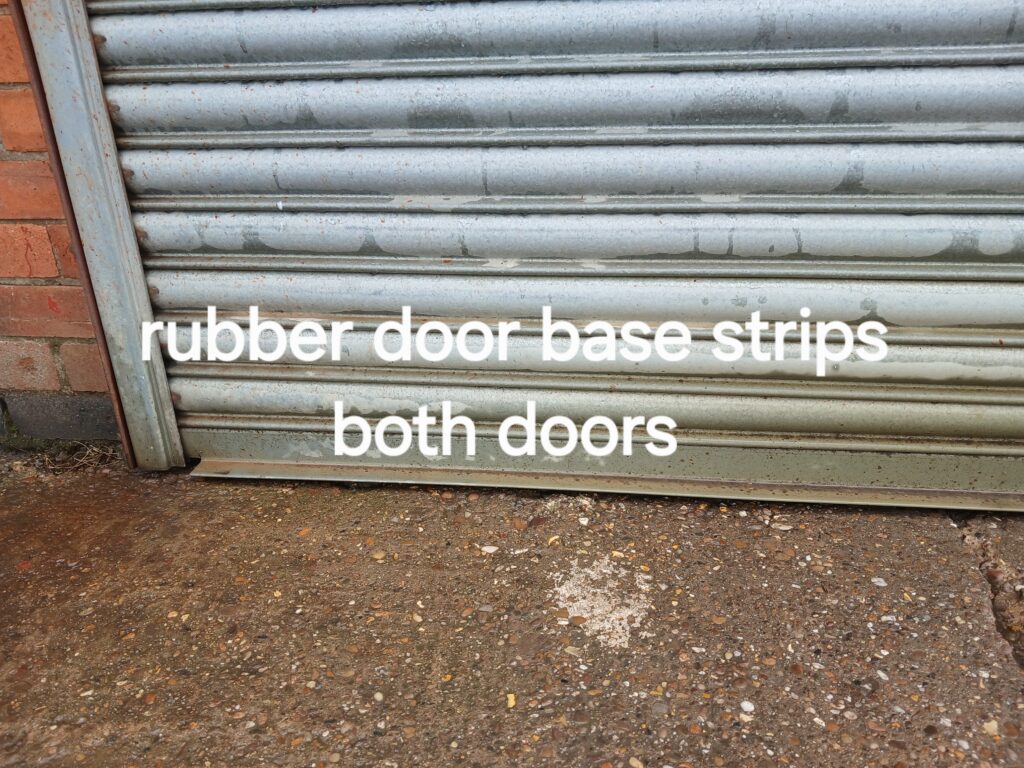
Proofing beneath shutter doors helps reduce rodent access into grain storage buildings.
Responsible Rodent Control On Farms
Modern farm pest control is about far more than simply placing bait boxes around buildings. Today’s best practice focuses on understanding how rodents are entering a site, removing those opportunities and using rodenticides only where they are genuinely required.
By working closely with the farmer and making practical improvements over time, Queen Bee Pest Management has helped create a more sustainable approach that protects crops while reducing unnecessary chemical use.
CRRU Guidelines And Farm Compliance
The Campaign for Responsible Rodenticide Use (CRRU UK) promotes the safe and responsible use of rodenticides to help protect wildlife and the wider environment. Following these principles is an important part of modern agricultural pest management.
As part of our service, we monitor pest activity, review site risks and maintain the documentation required to demonstrate a proactive approach to pest management. Inspection records, recommendations and treatment reports are all kept within the farm’s pest control folder to support compliance.
Prevention Before Rodenticides
Effective pest management always starts with prevention. Structural proofing, good housekeeping, reducing food sources and removing harbourage should all be considered before chemical control. Rodenticides remain an important tool when needed, but they should form part of a wider Integrated Pest Management strategy rather than being the first solution.
The Result: Cleaner, Safer Grain Storage
The final photograph shows one of the grain store tunnels while grain was still in storage. There were no signs of rats, no signs of mice and not even a single mouse dropping.
For the farmer, that means reduced contamination risk, greater confidence in stored crops and reassurance that the measures put in place are delivering real results.
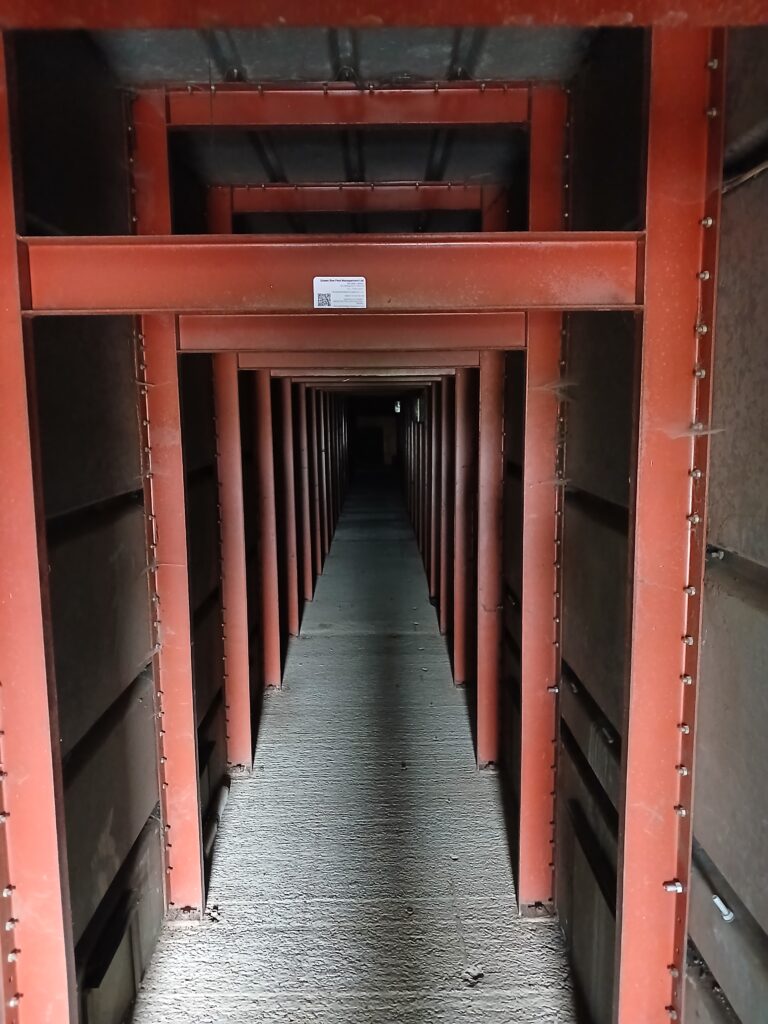
A clean grain store tunnel with no visible rodent activity or contamination following an Integrated Pest Management approach.
Helping Lincolnshire Farms Stay Protected
Every farm presents different challenges, but the principles remain the same. Regular inspections, practical proofing, accurate record keeping and a close working relationship with the farmer all contribute to long-term pest control success.
At Queen Bee Pest Management, we work with farms across Lincolnshire to provide practical, responsible pest management that protects crops, buildings and livestock while supporting compliance with current industry best practice.
Need Farm Pest Control In Lincolnshire?
Whether you’re looking for a long-term farm pest control contract or need advice on protecting your grain stores, livestock buildings or agricultural premises, Queen Bee Pest Management can help with practical, responsible pest management tailored to your farm.