
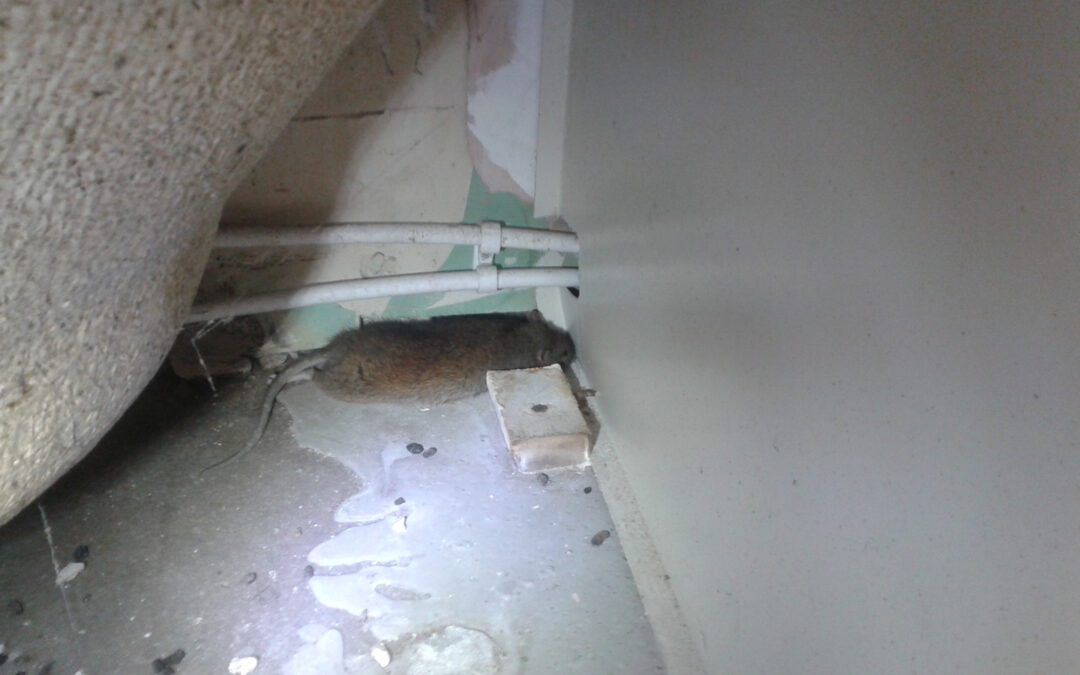
Finding rat droppings inside your home can be upsetting, especially when there are no obvious signs of how they got there.
This case study highlights one of the more challenging domestic rat problems we regularly investigate, where the source of the infestation is not immediately visible. Instead of simply treating the rats, the focus was on identifying exactly how they were entering the property and helping prevent the problem from happening again.
The Problem: Hidden Rat Activity Inside The Home
The homeowner had started finding rat droppings beneath the kitchen sink and was becoming increasingly concerned after hearing noises inside the property.
Like many homeowners, there were no obvious holes in the external walls and no visible signs of rodent activity outside the house, making the source of the rat infestation difficult to identify.
Where Do Rats Get Into Homes?
After more than 16 years working in domestic pest control across Lincolnshire, Michelle has found that two hidden entry routes are responsible for many indoor rat infestations.
1. Damaged Air Bricks
Plastic air bricks can sometimes be gnawed by rats, giving them access beneath suspended floors or into wall cavities. Once inside these hidden spaces, rats can remain unnoticed for weeks before evidence starts appearing inside the home.
Fortunately, this problem can usually be prevented by fitting suitable metal mesh guards over vulnerable air bricks before significant damage occurs.
2. Unsealed Redundant Toilet Waste Pipes
The second issue is far less obvious and often much harder to identify.
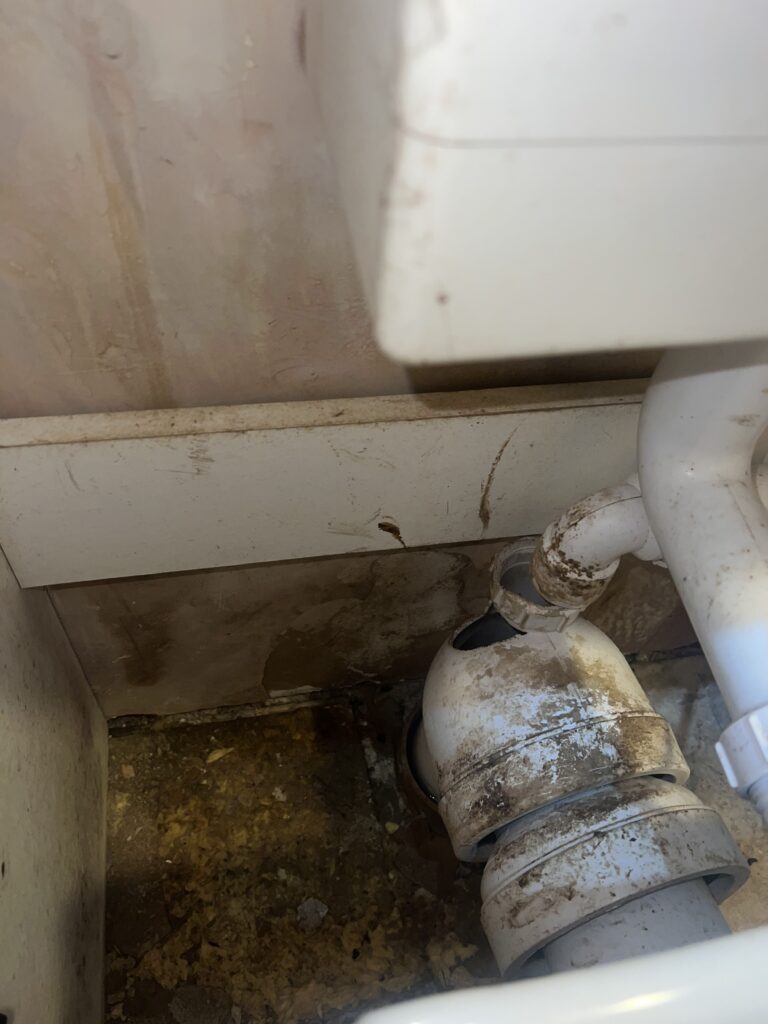
When bathrooms have been renovated or toilets relocated, the original waste pipe should always be permanently capped. Unfortunately, temporary solutions such as pieces of roofing tile, expanding foam or tape are sometimes used instead.
Rats travelling through the sewer system can dislodge these makeshift covers and gain direct access beneath floors or inside wall cavities without ever being seen. Investigating these hidden access points forms an important part of our domestic rat control service in Lincolnshire, helping homeowners solve the cause of the problem rather than simply treating the symptoms.
Signs That Rats May Be Living Inside Your Home
Because rats prefer to remain hidden during daylight hours, many infestations go unnoticed until homeowners discover evidence such as:
- Rat droppings inside cupboards
- Chewed food packaging
- Greasy smear marks along walls or pipework
- Scratching noises beneath floors or inside walls
- A strong unpleasant odour in enclosed areas
Thinking Beyond The Obvious
When drains are involved, finding the point of entry often requires more than simply placing bait.
Many access points are concealed beneath new flooring, kitchen units or recently refurbished bathrooms. Successfully resolving these infestations often means investigating how the rats are entering in the first place, rather than simply removing the rodents. This investigative approach helps reduce the risk of repeat infestations and provides a more permanent solution for homeowners.
Homeowner Advice
If you are having building work carried out and a toilet or bathroom is being relocated, always make sure the original waste pipe is permanently sealed using the correct fittings. A properly capped drain can prevent expensive pest problems years later.
Professional Rat Control In Lincolnshire
If you have discovered rat droppings, scratching noises or other signs of rats inside your property, don’t ignore them. Early investigation can often prevent a much larger infestation and reduce the damage caused inside your home.
Learn more about our Domestic Pest Control services or contact Queen Bee Pest Management for professional advice.
Think You Have Rats Inside Your Home?
Finding the entry point is just as important as removing the rats. Queen Bee Pest Management investigates the cause of every rat infestation to help reduce the risk of the problem returning, giving homeowners long-term peace of mind.